
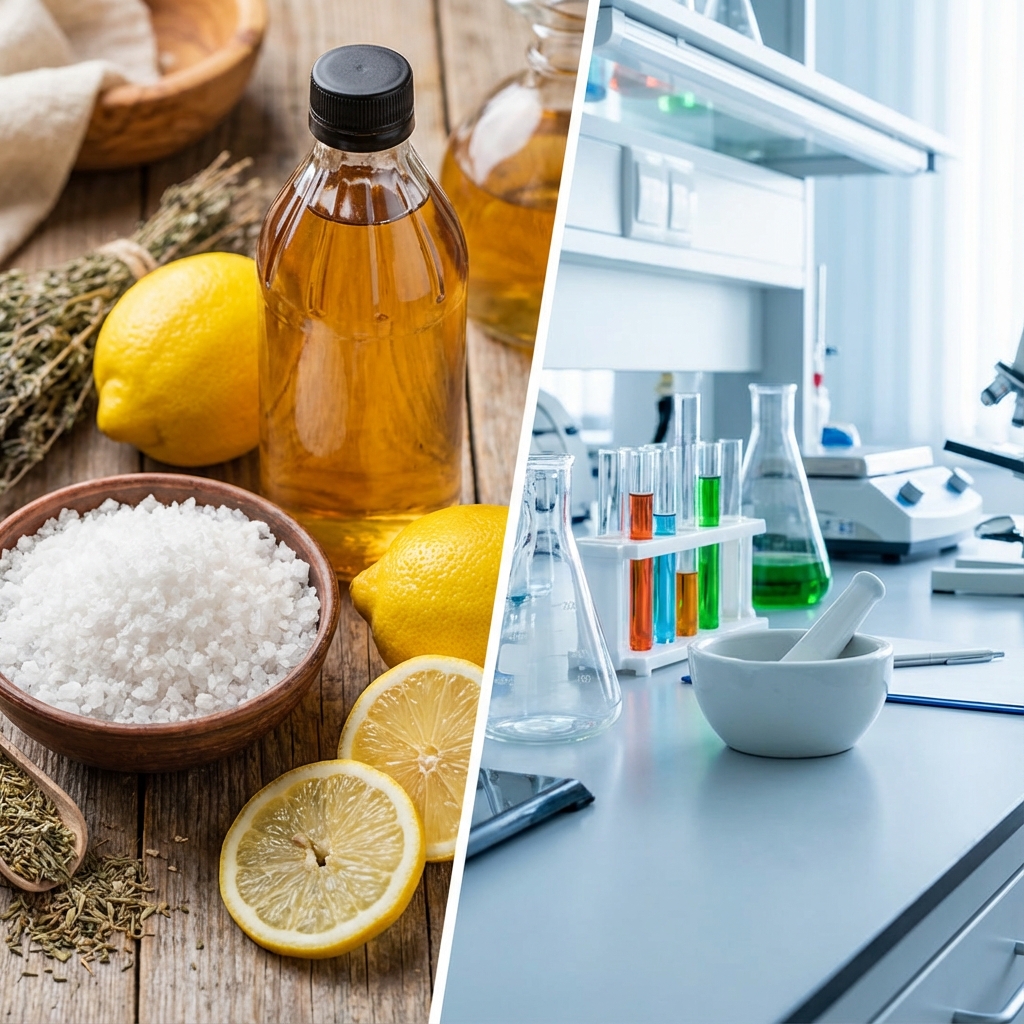
The Role of Preservatives
Preservatives often get a bad reputation, but they are the unsung heroes of food safety, preventing spoilage and potentially deadly bacteria.
Natural vs. Artificial
- Salt: Ancient and effective. It draws out moisture via osmosis, creating an environment where bacteria cannot survive (e.g., beef jerky).
- Sugar: In high concentrations, it binds water molecules, making them unavailable for microbial growth (e.g., jams and jellies).
- Vinegar (Acid): Lowers pH levels below 4.6, stopping pathogens like Clostridium botulinum (botulism) cold (e.g., pickles).
Chemical Preservatives
- Benzoates: Powerful inhibitors of mold and yeast in acidic foods like soda and fruit juice.
- Nitrites: Essential in cured meats like bacon to prevent botulism and maintain that characteristic pink color.
- Sorbates: Widely used in cheese and baked goods to prevent mold and yeast spoilage without affecting flavor.
Are They Safe?
While consumers increasingly demand "clean labels," removing preservatives reduces shelf life significantly. Without them, you must be hyper-vigilant about strict refrigeration and rapid consumption.