
Shelf Life vs. Expiration Date: The Critical Difference
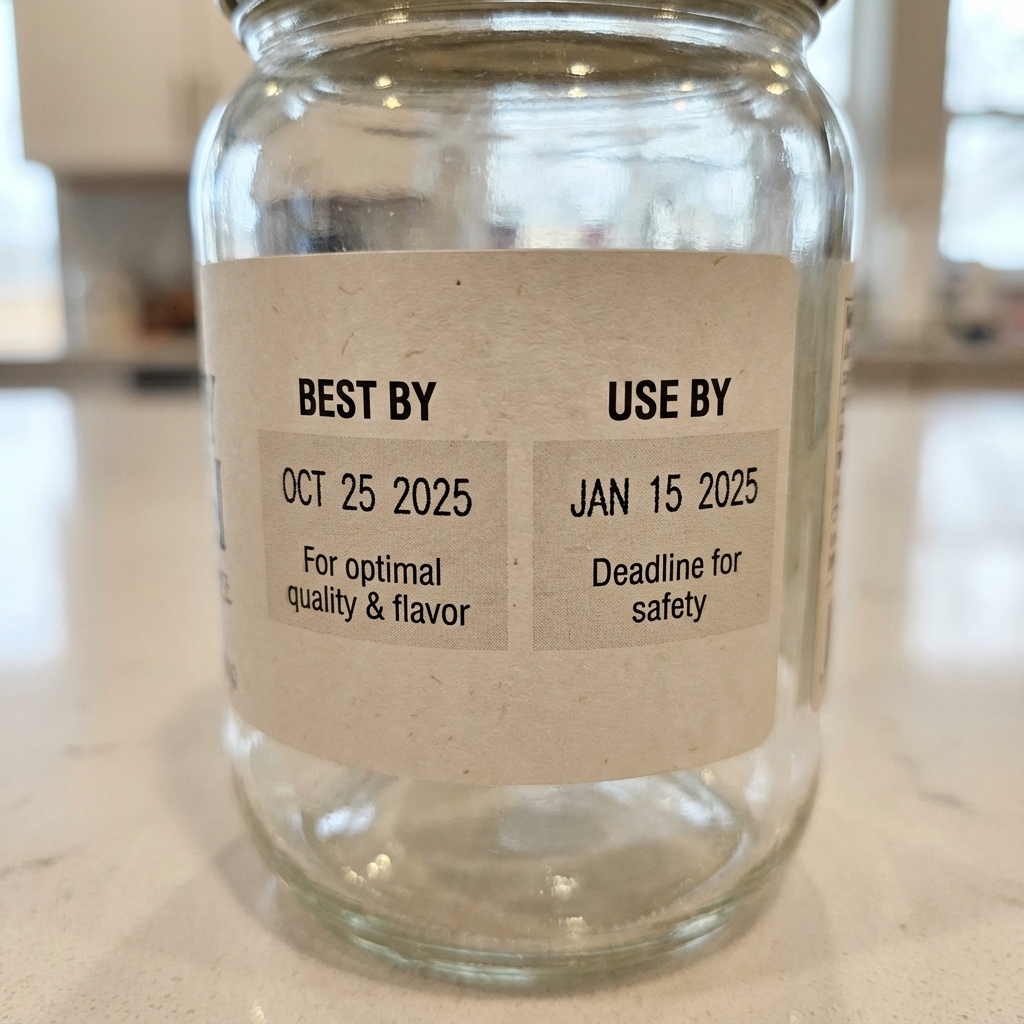
Every year, billions of pounds of perfectly good food are thrown away because consumers misunderstand date labels. It's time to clear up the confusion between quality and safety.
1. What is "Shelf Life"?
Shelf life corresponds to the period during which a product remains suitable for consumption from the day of manufacture. It encompasses both quality (taste/texture) and safety.
2. Decoding Date Labels
The USDA estimates that confusion over date labeling accounts for 20% of consumer food waste. Here is the breakdown:
"Best By"
This is about QUALITY. After this date, the chips might be stale or the juice less vibrant, but it is generally safe to consume.
"Use By"
This is about SAFETY. For highly perishable foods like meat or unpasteurized dairy, you should generally discard the product after this date.
The "Open" vs "Closed" Date Code
Ever seen a cryptic string like "A12 0524" on a can? That's a Closed Date Code.
- Closed Code: Manufacturing data for inventory tracking. Ignore it.
- Open Dating: A clear calendar date (e.g., "Best by Jan 20") specifically meant for you, the consumer.
When to Ignore the Date
Dates are estimates for unqualified storage. The date becomes irrelevant if:
- You leave milk on the counter for 2 hours (spoilage accelerates).
- The package is bloated or damaged (botulism risk).
- You freeze the food (this effectively pauses the expiration clock).